After my stepfather died, my mom told me something that immediately worried me.
“I can’t pay the bills.”
I thought she meant there wasn’t enough money.
That surprised me. My mom and stepfather had always been careful with money. They had saved throughout their lives. How could she suddenly not have enough money to pay the bills?
But that wasn’t what she meant at all.
She had the money. She just didn’t know how to access everything.
My stepfather had been an accountant and an early adopter of online banking. At the time, he may have been the only 80-year-old I knew who used two-factor authentication for his bank accounts.
He had handled the finances. My mom hadn’t.
Fortunately, he had also done something incredibly helpful: he left breadcrumbs.
He had documented account numbers, passwords, regular payments and other information I needed to figure out how everything worked. I suspect he knew that with my systems background, I could take what he left behind and piece it together.
And I did.
It wasn’t a perfect transition. Losing someone never is. But he had given me enough information to step in and help my mom when she needed it.
That experience has stayed with me.
We All Have an Emergency Contact
Think about how many times you’ve been asked to provide an emergency contact.
At the doctor’s office. At work. Before surgery. When traveling. On various forms we complete throughout our lives.
Name. Relationship. Phone number.
We fill in the blanks without thinking much about it.
But when was the last time you actually talked to the person whose name you keep writing down?
Do they even know they are your emergency contact?
More importantly, would they know what to do if someone actually called them?
There is a big difference between knowing someone’s phone number and being prepared to step into their life when something unexpected happens.
If You Couldn’t Handle Things Tomorrow
This doesn’t have to be about dying.
Imagine that you’re in an accident or become seriously ill. Maybe you have unexpected surgery. For whatever reason, you can’t manage your normal responsibilities for a few days or a few weeks.
Who needs to know?
If you have children or other people who depend on you, who will care for them?
If you have pets, who will feed them?
Who can get into your home?
Does someone know what medications you take?
Who would make healthcare decisions if you couldn’t speak for yourself?
Where are your important documents?
What bills or responsibilities can’t simply wait until you get home?
The answers will be different for each of us. That’s why I don’t think there is one perfect emergency preparedness checklist.
What matters is giving someone a fighting chance to step in.
My Own System Is a Work in Progress
I’ve tried to think about these questions in my own life.
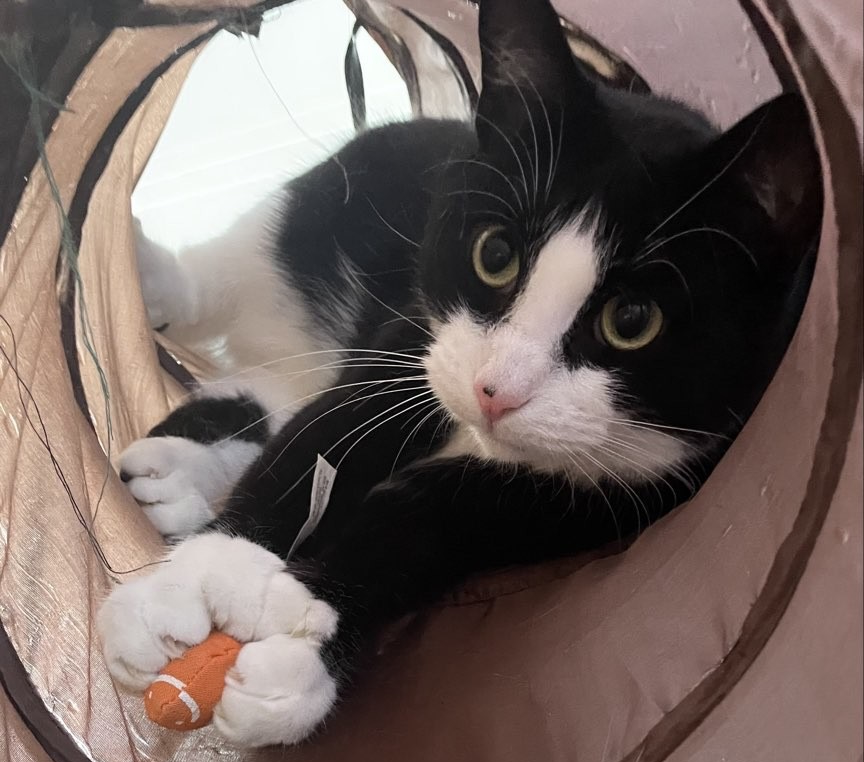
I’ve designated someone to care for my cat, Ernest, and I have a backup person.
My nephews and niece know how to get into my phone. They know where I keep important documents, and they can access my home if they need to.
More recently, I created a Google Drive that they can access. When something comes up that I think they might need someday, I add it.
Is my system perfect?
Absolutely not.
It’s a work in progress.
Passwords change. Technology changes. Face ID, two-factor authentication and passkeys make our information more secure. That’s important, but they can also make it much harder for someone else to step in during an emergency.
And our lives change, too.
We move. We change banks. We adopt a new pet. Relationships change. We start taking a new medication. The person we designated ten years ago may no longer be the right person today.
Trying to create a perfect system can become so overwhelming that we don’t create any system at all.
I’m much more interested in leaving breadcrumbs.
Your Emergency Contact May Not Be Your Decision-Maker
There’s another distinction worth thinking about.
The person you list as your emergency contact isn’t automatically the person who can make healthcare decisions for you if you can’t speak for yourself.
I’ve formally designated someone to make healthcare decisions for me. I also carry a card with that person’s name and phone number, along with my emergency contact information.
But the paperwork is only part of being prepared.
The conversation matters just as much.
Does the person you’ve chosen know what’s important to you?
Have you talked about the kind of medical care you would or wouldn’t want?
Do they know what quality of life means to you?
Could they speak for you, not based on what they would choose, but based on what you would choose?
Those conversations can make an enormous difference when someone suddenly has to make decisions during an already stressful time.
Start With One Conversation
You don’t need to spend this weekend creating spreadsheets, organizing every password you’ve ever had or building the world’s most impressive emergency binder.
Start smaller.
Think about the person whose name you automatically write in that Emergency Contact box.
Then talk to them.
Make sure they know they’re your emergency contact.
Tell them who should make healthcare decisions if you can’t.
Make sure they know who, or what, depends on you.
Tell them where the important information lives.
Give them enough information that if something unexpected happened tomorrow, they wouldn’t be starting from zero.
You can add to it over time. I certainly do.
Preparedness isn’t about predicting everything that could go wrong. And it isn’t about having a perfect plan.
It’s about making a difficult day a little easier for the people who may have to step in.
Sometimes that means documenting bank accounts and passwords.
Sometimes it means having an important conversation about healthcare.
And sometimes it is much simpler.
Sometimes it means making sure someone knows where you keep the cat food.