
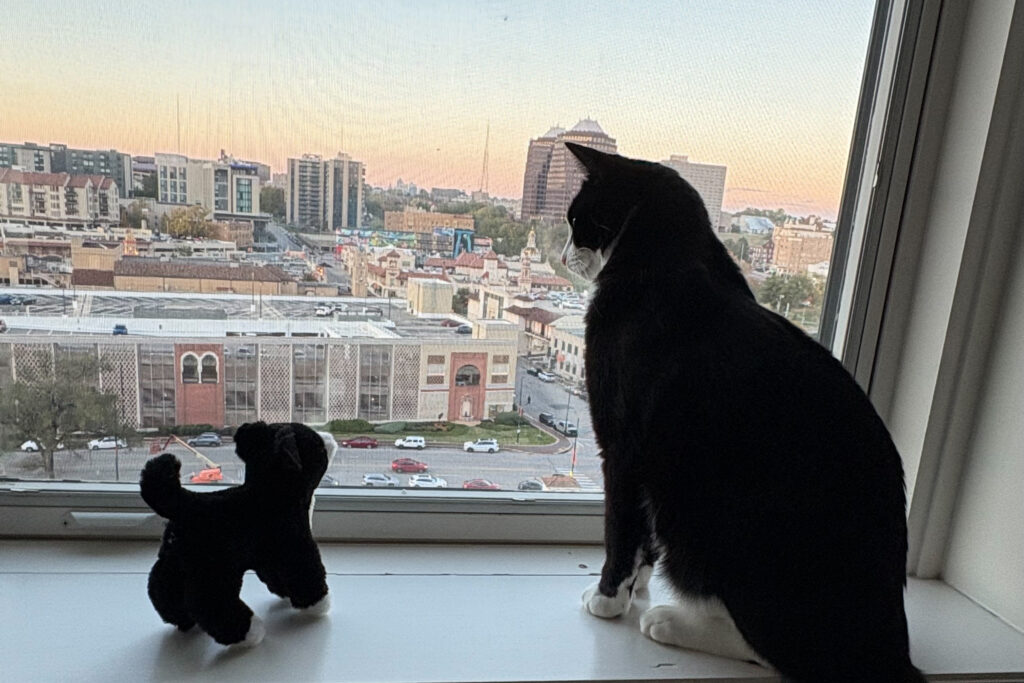
Groundhog Day has become shorthand in our culture for sameness. It’s the same day, repeated over and over, like Bill Murray’s character reliving that February 2nd again and again. But grief… grief can feel a bit like that too. Not in a stuck way, exactly, but in the way that can catch us off guard. It can be an unexpected song, a place we used to go, a scent that pulls us back into a moment with someone we loved. That’s a grief trigger.
A grief trigger is anything that brings up memories of a loss and the feelings attached to it. It might be something we expect, like an anniversary or holiday, or something startlingly ordinary: a song on the radio, a park you walk through, your favorite meal on the menu. These cues connect the present moment back to what once was, and stir emotion in us without warning.
In the early months and years after someone dies, these triggers can feel overwhelming. Over time, many of us learn to be with them differently. They start to feel less like a tidal wave pulling us under and more like a wave that passes through us. I’ve experienced this myself. It’s been nearly seven years since John died but when I hear What a Wonderful World, the tears come. It’s not like the jagged grief of early loss, but a soft sadness tempered with love. A soloist sang that song at John’s celebration of life. Even now, it brings both memory and meaning.
Why Triggers Happen
Grief isn’t linear. It doesn’t only happen right after loss and then steadily decrease until it’s “over.” Rather, it weaves into our lives in waves. Research in grief psychology describes how memory and emotion are deeply connected: sensory cues (sounds, scents, sights) can spontaneously bring involuntary memories to mind. These can be vivid, emotional, and sometimes unexpected.
Triggers are not a sign of a setback in our healing. They reflect the ongoing bond we carry with our loved ones. Modern grief theory acknowledges that relationships don’t simply end with death but continue in new ways within us. These triggers are reminders of that connection.
Common Grief Triggers
Triggers can be as unique as the person you loved, but some common ones include:
- Songs or photos you shared
- Anniversaries and holidays
- Places you visited together
- Smells or tastes that recall shared experiences
- Objects that hold meaning
- Unexpected sensory cues in daily life, such as a scent in the grocery store, a phrase in conversation, a moment of silence
Sometimes these triggers are predictable, such as the birthday of a partner, or a holiday dinner, and other times they arrive when we least expect them, much like waking up again to February 2nd in Groundhog Day.
How to Cope When Grief Hits
Over time, many people find that triggers become more like quiet reminders than emotional avalanches. Here are some ways to move through them with care:
1. Expect and Name Them
Awareness itself is powerful. Knowing that sensations and sensations tied to memory can bring back grief reminds you it’s normal. It’s not a failure of healing or an unexpected reversal.
2. Prepare for Big Dates
If you know certain days or events trigger grief, build in support. Schedule a walk, perform a ritual, or have a lunch with someone who gets it.
3. Practice Self-Compassion
Grief is woven into love. When a trigger hits, acknowledge your feelings without judgment. Sit with it a moment, breathe, and honor it as part of your heart’s story.
4. Build New Meanings
Sometimes, reframing a trigger can help. A song that once brought sheer heartbreak can, with time, become a song of connection, perhaps a way to honor what you loved and what still remains.
5. Seek Support When Needed
If grief feels too heavy or interferes deeply with daily functioning, reaching out for additional support, a therapist, support group, or trusted friend, can make a difference.
A Life That Remembers
If grief feels like Groundhog Day sometimes, maybe that’s because losing someone changes how we move through time. The calendar keeps turning, but our emotional landscape shifts and echoes with memory. Triggers remind us that love is not erased by absence. Instead, it’s transformed.
Instead of avoidance, what if we held our triggers a bit more gently? What if, when they come, like familiar scenes in a movie we’ve watched before, we watched them with more presence and less fear? What if we welcomed them as part of the ongoing story of love?
In my experience, and I suspect in many others’ as well, grief’s triggers don’t disappear. They soften. They become part of a larger terrain where love and loss meet. And sometimes, in the soft sadness, there is a quiet wonder.