
Spring and summer are filled with milestones and celebrations.
Graduations. Weddings. Birthdays. Ballgames. New babies. Retirement parties. Family vacations. Mother’s Day and Father’s Day.
These moments are often wrapped in celebration and joy. But for those carrying grief, milestones can also quietly magnify absence.
Sometimes grief doesn’t show up most strongly during the funeral or immediately after a loss. Sometimes it appears months or years later in the middle of ordinary, beautiful moments when we suddenly realize who is missing from them.
Last month, our family celebrated my great-niece Violet’s first birthday. It was a joyful afternoon filled with laughter, photos, cake, and all the excitement that surrounds a baby’s first year of life. Yet underneath my happiness was another quiet realization: Violet will never know her Uncle John or her Grandma Kitty.
She’ll grow up hearing stories about them. She’ll see photos. She may inherit pieces of their personalities or traditions without even realizing it. But there is grief in knowing those relationships never had the chance to unfold.
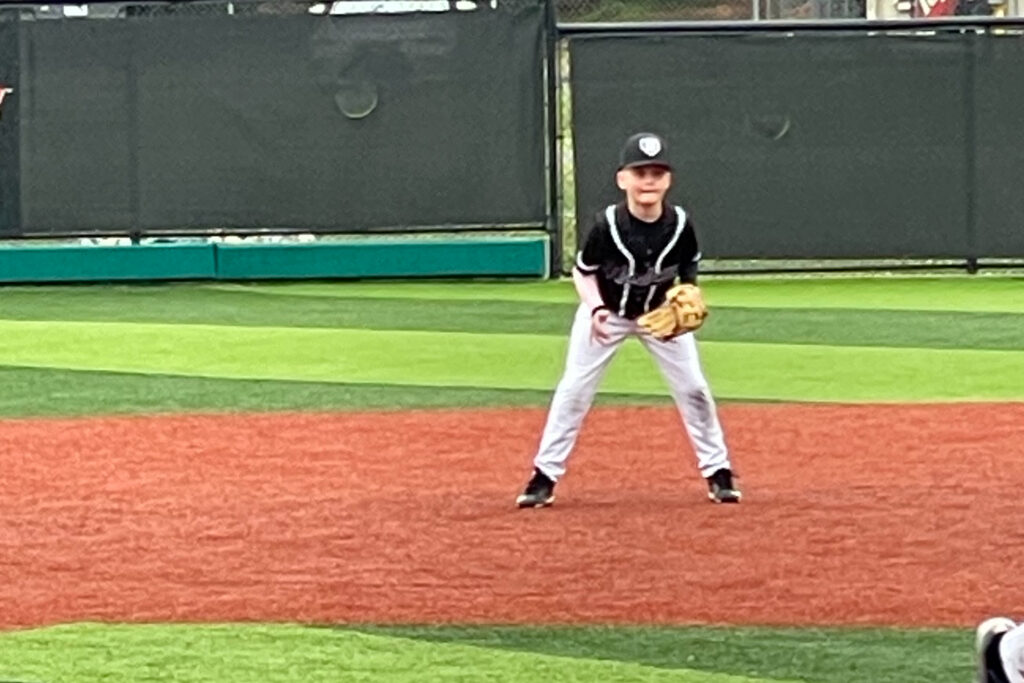
Recently, I’ve also found myself thinking about my great-nephew Paxton. He plays baseball and is already quite good. Watching him play brings both pride and sadness. John loved baseball growing up, and his dad was a Little League coach. Baseball was part of their connection, their shared language, their joy.
As I watch Paxton develop his love for the game, I can’t help but think about all the conversations and moments that will never happen. He’ll never get tips from Uncle John. He’ll never hear John’s stories from his own playing days or experience the encouragement he would have so naturally offered.
That’s one of the hidden layers of grief people don’t always talk about. We don’t only grieve the person we lost. We grieve the future relationships, traditions, advice, and moments that were lost too.
And yet, even inside that sadness, there is still joy.
I’m genuinely grateful to be present for these family milestones and celebrations. I treasure them deeply. But grief has taught me that happiness and sadness are not opposites. They often exist together.
You can smile in a family photo while simultaneously noticing who is missing from it.
You can celebrate a graduation while wishing someone had lived long enough to see it.
You can feel overwhelming pride for a child while grieving the grandparent who would have adored them.
This week, I saw another version of this while visiting with a hospice patient. She spoke with such joy and pride about her son, who had recently returned from a successful student trip. She lit up as she described hearing about his experiences and accomplishments.
I felt genuinely happy watching her savor those moments with him. But at the same time, I found myself quietly aware that someday, he will deeply miss these conversations too. One day, he may long for his mother’s advice, encouragement, and steady presence in exactly the same way so many grieving people do.
Working in hospice and grief support has made me realize how often milestones carry both celebration and sorrow.
A wedding may hold an empty chair.
A graduation may include tears for the parent who didn’t live to see it.
A new baby may arrive after the loss of a grandparent.
A retirement celebration may feel lonely after the death of a spouse.
Even joyful moments can stir grief because love naturally resurfaces during meaningful life events.
If you’ve found yourself emotional during milestones, you are not doing it wrong. It does not mean you are ungrateful, stuck, or unable to move forward. It simply means someone mattered deeply to you.
Sometimes it helps to intentionally make space for both emotions. To say their name. To share stories. To look at old photos. To laugh and cry in the same conversation. To recognize that grief often reappears during transitions because love continues long after loss.
Over time, I’ve also come to believe that people remain present in ways we don’t always expect.
I see pieces of John in family humor, storytelling, and connection. I see my mother in traditions, recipes, expressions, and small gestures that continue through the people she loved. Their influence still ripples outward, even into milestones they never physically got to witness.
Perhaps that’s part of what grief really teaches us: love doesn’t end neatly. It continues to echo through generations, relationships, memories, and the lives we continue building after loss.
And maybe that’s why milestones feel so emotional in the first place.
We miss them because they mattered.